
Dungeons
Pixel Lineage dungeon and raid guides for Grasslands, Ancient Sands, Haunted Tundra and Crimson Abyss, plus Torment Mode boss mechanics, drops and team-building tips.
Introduction
Dungeons and raids are the core endgame of Pixel Lineage and the reason most builds exist. Content is staged from the early Grasslands Raid through Ancient Sands, Haunted Tundra and finally Crimson Abyss, before the hardest challenge of all, Torment Mode. Each raid tests a different part of your build: turn order, role coverage, damage ceiling and survivability all matter, and a party that cannot coordinate loses even with good individual characters. Because the game is deliberately punishing, raid planning is as much about team composition and turn sequencing as it is about raw power. This hub covers every raid we can verify, boss mechanics, drops, and how to prepare for Torment Mode.
Raid Progression Quick Reference
| Raid | Stage | Reward Focus | Difficulty |
|---|---|---|---|
| Grasslands Raid | Early | Starter loot and materials | Low |
| Ancient Sands Raid | Mid | Upgraded gear and materials | Moderate |
| Haunted Tundra Raid | Mid to late | Event-themed rewards | High |
| Crimson Abyss Raid | Late | Endgame loot and upgrades | Very high |
| Torment Mode | Endgame | Hardest challenge mode rewards | Maximum |
Raid Guide
Grasslands Raid
Early raid that teaches turn-based coordination
Ancient Sands Raid
Mid-tier raid with tougher enemies and rewards
Haunted Tundra Raid
Event-era raid with themed enemies and drops
Crimson Abyss Raid
Late-game raid that demands a fully built party
Torment Mode
The hardest challenge mode, built for endgame teams
Core Mechanics
Raid and dungeon design in Pixel Lineage escalates in two directions: enemy strength and mechanical complexity. Early raids such as Grasslands teach coordination and drop the starter loot your build needs, while later raids like Ancient Sands, Haunted Tundra and Crimson Abyss add tougher enemies, event themes and reward tiers. Every raid rewards a coordinated turn order and balanced role coverage more than raw individual power, which is why a support and a damage carry together beat three carries. Torment Mode sits above normal raids as an endgame challenge built for fully built, evolved teams and min-maxed trait and sigil setups.
Advantages
Raids are where a build is validated. Clearing each raid proves your class, race, traits and sigils actually work together, and the loot you earn feeds directly back into the next tier of content. Because raids reward coordination, they also push you to build a balanced party rather than a single character, which pays off across every mode. Progression through the raids is a clear roadmap: each clear unlocks stronger rewards and moves you closer to Torment Mode, so effort invested in raid preparation has a visible destination instead of feeling like an open-ended grind. Cleared raids also act as benchmarks: once a tier becomes comfortable, you know your build has genuinely levelled up.
Challenges
Raid progression is unforgiving by design. Encounters expect a coherent, evolved build and a coordinated party, so entering early with a half-finished character usually ends in a loss and wasted time. Later raids also demand specific roles and enough trait and sigil investment that a player who has rushed race and class will struggle regardless of skill. Community-reported boss mechanics and drop tables can be incomplete or outdated, since the game updates weekly, so some preparation advice ages faster than the fights themselves. Expect to fail, learn, and re-gear before the hardest tiers fall. Plan for several attempts on each new tier rather than expecting a first-try clear, and adjust your team after each loss.
Frequently Asked Questions
How do I unlock dungeons and raids in Pixel Lineage?+
What is Torment Mode?+
What is the best team for raids?+
Quick Tips
Build a party before you chase raw power. Raids in Pixel Lineage reward coordinated turn order and role coverage, so one support and one carry will clear content that three unmatched damage dealers cannot, no matter how high their individual stats are. Scout a new raid with a cheap attempt before gearing for it, because the fight teaches more than any written guide can.
Treat unlock order as a readiness check. If the next raid is a struggle, the problem is usually your race, class or gear rather than the fight itself, and fixing the build is faster than repeatedly throwing a half-finished party at a wall. Track which role your party lacks after each wipe and fix that gap before adding more raw damage to the team.
Learn boss mechanics from a cheap run before committing resources. Because the game is punishing and community boss data can be outdated, a deliberate scouting attempt tells you more about the fight than any guide and costs far less than gearing blindly. Unlock raids in order and treat each clear as a readiness check for the next tier rather than a box to tick.
Featured
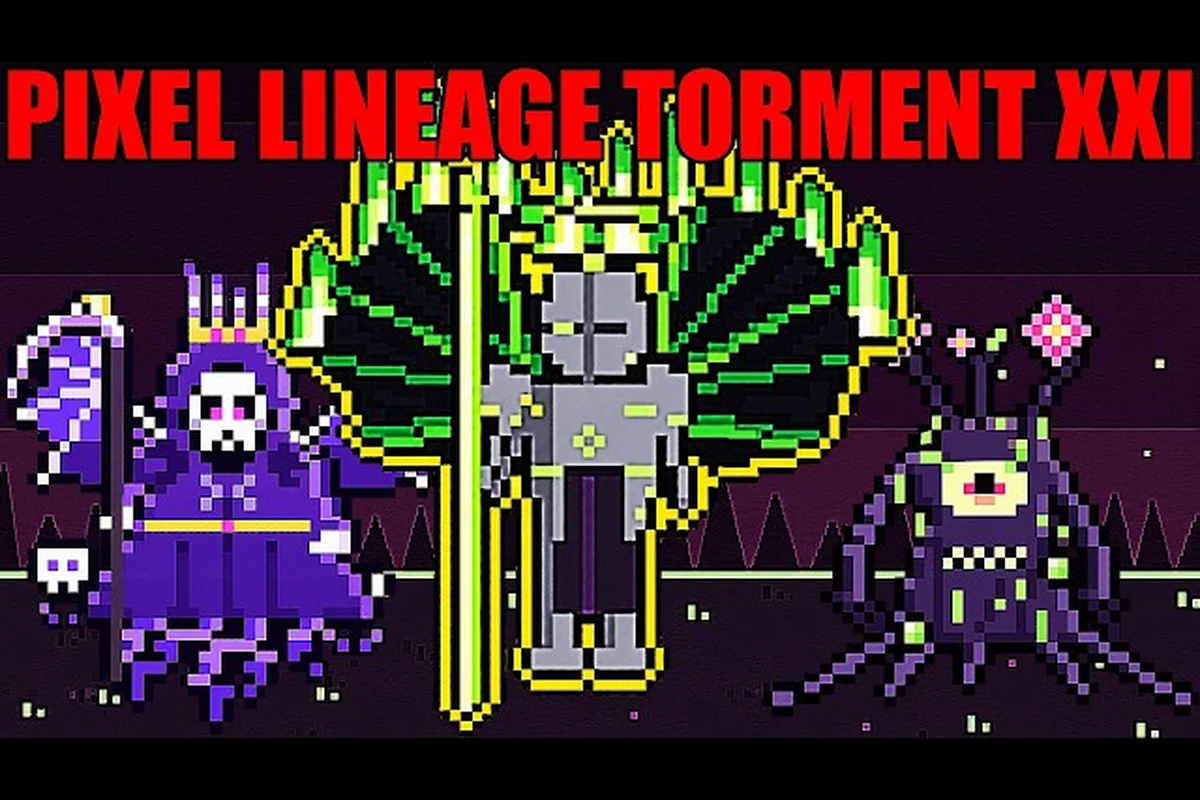
Pixel Lineage Dungeon Enemies: Tips and Best Builds
Counter every Pixel Lineage dungeon enemy with tips on enemy patterns, the best class and build to clear each biome, and late-game unlock paths to endgame content.
Pixel Lineage Dungeon Farming: Floors, Hard Mode, Secrets
Max out your Pixel Lineage dungeon farming with the best floors, Hard and Nightmare Mode rotations, and secret dungeon routes that double your loot per run.
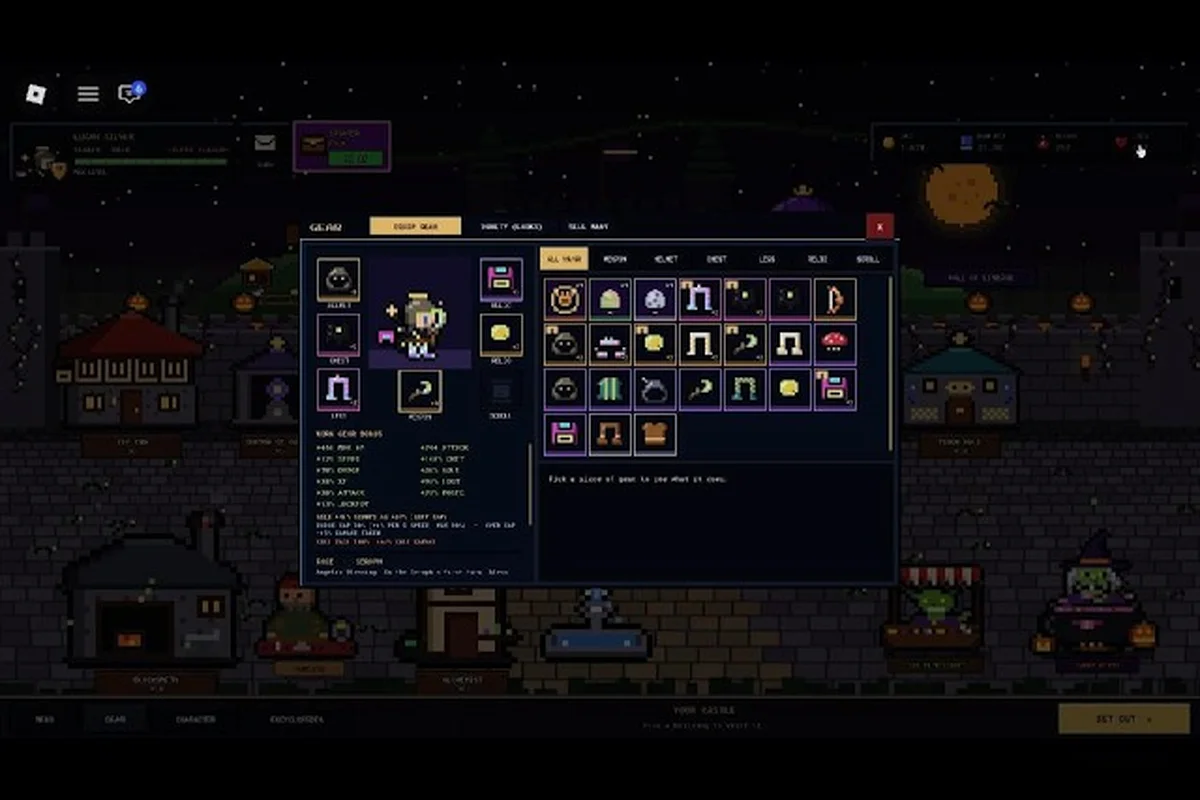
Pixel Lineage Dungeon Guide: All Raids and Floor Tips
Clear every Pixel Lineage dungeon from Grasslands to Haunted Tundra, learn how raid floors and boss waves work, and pick the right team for each biome.
All Articles
Pixel Lineage Raid Tier List: Dungeon Bosses Ranked for Max Loot
Rank every Pixel Lineage raid from S to weak tier, compare dungeon boss mechanics, and learn which runs drop the best loot for your party this patch.
Pixel Lineage Crimson Abyss Raid: Bosses and Rewards
Conquer the Pixel Lineage Crimson Abyss raid with boss mechanics, team setups, and the rarest drops that make this endgame dungeon worth the grind.
Pixel Lineage How to Beat Bosses: Torment Mode Tips
Learn how to beat every Pixel Lineage boss, unlock Torment Mode for tougher fights, and build the dungeon team that survives the hardest encounters.