
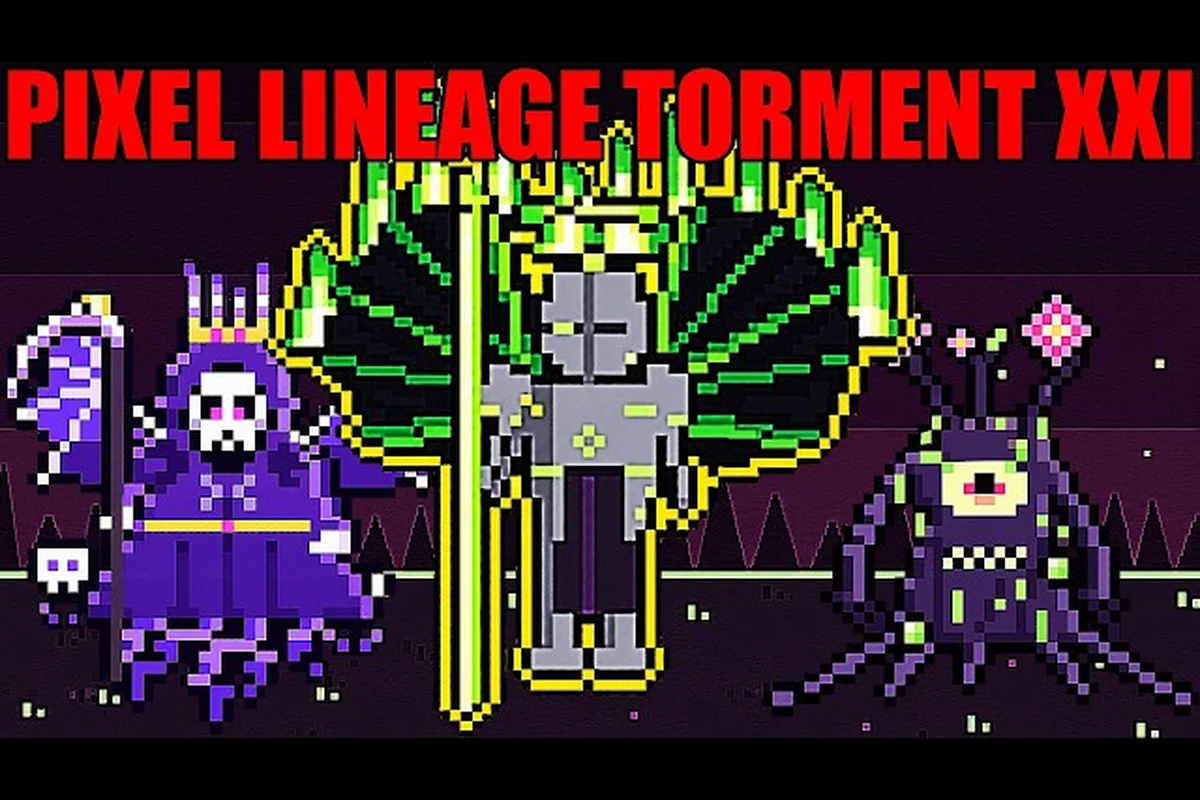
Pixel Lineage dungeon enemies are the real gatekeeper between an Act 2 hero and the Castle-tier raid loot players grind for, and every pattern in the late game tests your timing window, energy economy, and potion discipline at the same time. If you have been clearing the first two biomes on autopilot and suddenly hit a wall in the haunted zone or the volcanic depths, the issue is almost always enemy tells rather than raw stats. This guide breaks down the enemy roster across every dungeon biome, the gear breakpoints that actually matter, the unlock path for the late-game content most players miss, and the class-and-build combinations that turn a wipe-prone run into a clean clear. The guide breaks down the enemy roster across every dungeon biome, the gear breakpoints that actually matter, the unlock path for the late-game content most players miss, and the class-and-build combinations that turn a wipe-prone run into a clean clear, then pairs that breakdown with route timing and reset windows so you can plug the advice straight into your next run, and for sustained currency and rare-drop income our Pixel Lineage dungeon farming routes and reset schedule lays out the per-biome loops worth chaining between clears.
According to the official Pixel Lineage guide, dungeon enemies are organized into distinct lineages with shared attack patterns and stat scaling, allowing players to anticipate the strengths and weaknesses of each tier.
Dungeon enemies draw from a recurring pool of monster types that are tied to the pixel-art aesthetic and the dungeon progression tiers used throughout the game.
Understanding the Dungeon Combat Loop
Before diving into the specific pixel lineage dungeon enemies you will face, it helps to lock down the core combat loop that governs every fight. According to the official Pixel Lineage game page on Roblox, the experience is a turn-based pixel-art roguelike RPG inspired by Terraria, and every battle is built around a tight action economy that punishes greedy play. Each hero enters combat with 1 Energy and gains +1 Energy per round up to a default cap of 10, which means a long boss fight is really a resource-management puzzle where you are constantly deciding whether to spend an action now or bank energy for a stronger skill later.
The combat interface offers six actions per turn: Attack, Skill, Guard, Meditate, Potion, and Run. Guard and Meditate both feed back into the energy economy — Guard reduces incoming damage for one round while Meditate skips your attack to refund a portion of your energy pool. Potion is the panic button, but you can only carry three potions at a time and each one heals 30% of max HP, so chugging them in Act 1 will leave you dry when the late-game content really demands them. Run is technically always an option, but fleeing from a dungeon room burns one of your 3 Lives, which is the real cost most new players underestimate.
The dungeon system itself is structured as a series of procedurally generated rooms connected by stairs, with each floor escalating in enemy density and rarity. Enemies drop gear on a tiered rarity ladder — Rare, Epic, and Legendary — and the best way to learn each biome is to focus on the visual and audio tells that telegraph what is coming. Below is a quick reference table for the action economy before we get into the enemies themselves.
| Action | Energy Cost | Common Use Case |
|---|---|---|
| Attack | 1 | Safe baseline damage every round |
| Skill | 2-4 | Class-specific burst, often the win condition |
| Guard | 0 | Defensive option, blocks one incoming attack |
| Meditate | 0 | Refund energy when you are ahead on HP |
| Potion | 0 | Emergency heal, capped at 3 carries |
| Run | 0 | Flee a non-boss room, costs 1 Life |
The energy cap and potion limit are the two numbers that change how you approach every dungeon, because they force a tempo: you cannot brute-force your way through a long fight by spamming skills, and you cannot heal-spam your way out of a tight spot. The players who clear pixel lineage late game dungeons consistently are the ones who treat the action bar like a puzzle, not a button-mash.
Enemy Roster by Biome and Their Attack Patterns
Every biome in Pixel Lineage has its own enemy pool, and each enemy telegraphs its strongest move with a short wind-up animation. The first step to mastering pixel lineage dungeon enemies is learning those tells, because dodge and block timing prompts are the only way to avoid the heavy-hitting abilities that one-shot a fresh hero. Community testing reported by Roonby's beginner walkthrough shows that Nightborn, with its 15% lifesteal on attacks, is one of the safest races for learning these patterns because the race's passive forgives small mistakes during the learning phase.
The three core biomes you will cycle through are the Forest Catacombs (Act 1), the Sunken Chapel (mid-game), and the Volcanic Depths / Haunted Crypt (late-game). Each biome escalates the turn pressure by introducing enemies that either drain your energy, inflict status effects, or summon adds that split your action economy in half. A common mistake is treating the Forest Catacombs as a tutorial, but the Skeleton Captains in the deeper rooms already test whether you are using Guard at the right time.
| Biome | Common Enemies | Key Mechanic | Recommended Counter |
|---|---|---|---|
| Forest Catacombs | Skeleton, Skeleton Captain, Bat Swarm | Multi-hit swarms | AoE Skill on round 2 |
| Sunken Chapel | Cursed Acolyte, Bone Golem, Wraith | Energy drain / silence | Race with +Energy Regen |
| Volcanic Depths | Lava Imp, Magma Brute, Flame Wraith | Burn DoT ticking each round | Stack fire resistance gear |
| Haunted Crypt | Phantom Knight, Banshee, Crypt Lord | Phase shift (immune 1 round) | Stockpile Burst skills for phase-2 windows |
| Castle Raid Tier | Void Sentinel, Abyssal Horror, Ultra Boss | Multi-phase enrage | Full raid comp with 4 heroes |
The Bone Golem in the Sunken Chapel is the first real skill-check for most players, because it starts the fight with a shield that absorbs the first two attacks. Burn that shield with a Skill on round 1 and you free up your Attack actions to focus on damage once the shield drops. The Banshee in the Haunted Crypt is a more brutal version of the same idea — it shifts to a phase-immune state every third round, and players who do not stockpile burst damage for the vulnerable windows will watch their energy bar drain with nothing to show for it.
Bosses are where the real test lives. The Crypt Lord in the Haunted Crypt has a three-phase enrage timer, and community reports indicate the fight becomes unwinnable if you cannot break the first phase before round 8. Picking the right class matters more here than anywhere else in the game, because a Mage with high-energy burst skills can blow through the shield phases while a Warrior struggles to keep up without the same burst window. According to the official game page, the experience was designed to be "not meant to be easy," so treat every boss as a puzzle that rewards preparation over reaction time.
Best Class and Race for Dungeon Runs
Choosing the best class for dungeons comes down to which role you want to play in a four-hero party, because Pixel Lineage supports both solo and co-op play and every class evolves into a Super Class at the Trainer's Shrine in Act 2. World Place's class-and-systems reference lists six base classes — Warrior, Thief, Mage, Fist, Bard, Archer — and each one has a different strength profile in dungeon content. The base classes are fine for the Forest Catacombs, but the moment you start pushing into pixel lineage endgame content, you want the evolved Super Class version of whatever role you are filling.
Solo players usually get the most mileage out of a Mage or Bard Super Class, because both classes have access to skills that scale with the Energy cap of 10. A Mage can stack a high-burst Skill on round 1 and then bank energy for an even bigger nuke on round 4, while a Bard's buffs amplify the damage of every other action. In a four-hero co-op party, the meta shifts toward a balanced comp of one tank, one DPS, one support, and one flex — the Warrior anchors the front line, the Mage or Thief handles burst damage on shielded enemies, the Bard keeps the team's energy economy healthy, and the Fist or Archer fills the flex slot with whatever damage type the boss is weak to.
| Role | Best Base Class | Super Class Strength | Why It Works in Dungeons |
|---|---|---|---|
| Tank | Warrior | Shield Wall uptime | Soaks first-phase burst from raid bosses |
| Burst DPS | Mage | Arcane Blast at Energy 8+ | Breaks Bone Golem shields in 1 action |
| Sustained DPS | Thief | Poison DoT stacking | Wins long Wraith fights via damage-over-time |
| Support | Bard | Energy Regen aura | Keeps the team's energy cap relevant longer |
| Flex | Fist or Archer | Conditional burst | Elemental matchup against biome bosses |
The Nightborn race remains a top recommendation for dungeon runs because the 15% lifesteal on attacks offsets the small mistakes you make while learning a new boss. For players who want to push into the Castle raid tier, a team with at least one Nightborn in the front line gives the party an extra sustain layer that pure-burst comps cannot match. The community-tested race-and-class combos reported by multiple guides consistently put Nightborn + Bard Super Class and Nightborn + Warrior Super Class at the top of the dungeon tier list, because both combos convert a steady stream of Attack actions into free healing.
Solo players who want a tankier experience can run Warrior + Dwarf (the +HP racial bonus) and pivot to the Berserker Super Class at the Trainer's Shrine. The Berserker trades a portion of the Warrior's shield uptime for a much higher damage ceiling, which makes it the best class for dungeons when you are running a duo rather than a full four-hero party. A common pitfall is assuming the base class is a permanent build, when in reality the Super Class evolution at the Trainer's Shrine is the real build-defining moment for dungeon content.
Unlocking Dungeons and Reaching Endgame Content
The question of how to unlock dungeons in Pixel Lineage is the most common roadblock for new players, because the unlock chain is gated behind both the Castle hub progression and the Raid Gate in the Guild Hall. According to the metanew systems reference, the Castle hub is a persistent area that sits between adventures, and it holds the buildings you need to push your hero into the late game: the Blacksmith for honing equipment, the Shrine of Oaths for class mastery, and the Inn for item storage. The Inn matters more than most players realize, because the game lets you bank Rare, Epic, and Legendary drops between runs, and a stocked Inn is the difference between a one-shot boss clear and a five-try grind.
To reach the dungeon content beyond the Forest Catacombs, you have to complete the Act 1 main story and unlock the Castle hub, which happens after your first Super Class evolution. The Trainer's Shrine in Act 2 is the key building here — once you evolve your base class into a Super Class, the game opens up the Sunken Chapel, the Volcanic Depths, and eventually the Haunted Crypt as new dungeon biomes. Each biome requires a minimum hero level and a minimum honed gear score, so the Blacksmith's honing system (+1 to +10) is a hard prerequisite for the harder dungeons.
The Guild Hall in the Castle hub is where the real endgame content unlocks. Community testing reported by Roonby's town-buildings breakdown shows the Guild Hall hosts the Raid Gate, which is the group-boss content with unique items and tokens. The Raid Gate is gated behind guild level, which means you cannot unlock it as a solo player — you need to join or form a guild with at least four active members. Once your guild reaches the level threshold, the Raid Gate opens a new tier of pixel lineage dungeon enemies that includes the Void Sentinel and the Abyssal Horror, both of which drop Ultra-tier gear and the rare Ultra Sigils needed to evolve your Super Class into an Ultra Form.
| Unlock Stage | Building | Requirement | Reward |
|---|---|---|---|
| Super Class | Trainer's Shrine (Act 2) | Reach Act 2 + clear Castle | 18 Super Classes to choose from |
| Dungeon Tier 2 | Castle Hub | Super Class unlocked | Sunken Chapel + Volcanic Depths |
| Dungeon Tier 3 | Haunted Crypt portal | Level 25 + Honed gear 6+ | Phantom Knight set drops |
| Raid Gate | Guild Hall | Guild level 10+ | Void Sentinel, Abyssal Horror |
| Ultra Form | Ultra Sigil crafting | 3 Ultra Sigils + 1 Legendary | 18 Ultra Forms, top-tier stats |
The Ultra Form evolution is the true endgame ceiling, and it is the most common late-game goal for veteran players. To unlock an Ultra Form, you need 3 Ultra Sigils and 1 Legendary-class item, both of which only drop from the Castle raid-tier bosses. Players who want to reach this ceiling efficiently should treat the Guild Hall as a priority unlock rather than an optional side building, because the Raid Gate is the only source of Ultra Sigils in the game.
Best Build for Raids, Gear Honing, and Late-Game Tips
Putting together the best build for raids in Pixel Lineage is less about chasing a single overpowered class and more about building a hero that survives the long-haul energy drain of a multi-phase boss fight. The Blacksmith in the Castle hub lets you hone equipment from +1 to +10 with variable success chances, and community data reported by Roonby suggests saving your upgrade stones for gear you intend to keep across multiple runs rather than spending them on every Rare drop you find. Honed Legendary gear outperforms unhoned Epic gear past the +5 threshold, so the smart play is to stockpile stones and wait for a Legendary drop worth investing in.
For raid-tier bosses, the build priorities shift from raw damage to survivability and energy efficiency. A Mage with a 4-piece Arcane set and a honed Legendary staff can burst down the Crypt Lord's shield phase, but the same Mage will get one-shot in the Abyssal Horror fight without a shield-chance ring or a Bard's buff aura. Below is a recommended build template for the most common raid roles, which combines the best class for dungeons with the gear breakpoints that matter for late-game content.
| Raid Role | Class | Core Gear | Honing Target | Stat Priority |
|---|---|---|---|---|
| Main Tank | Warrior Super Class | Bulwark Plate + Tower Shield | +6 minimum | HP% > Defense > Block Chance |
| Burst DPS | Mage Super Class | Arcane Robes + Crystal Staff | +8 minimum | Energy Cap > Skill Damage > Crit |
| DoT DPS | Thief Super Class | Shadow Cloak + Poisoned Daggers | +6 minimum | Attack Speed > DoT Damage > Dodge |
| Support | Bard Super Class | Harmony Lute + Medallion of Oaths | +5 minimum | Energy Regen > Heal Potency > Buff Duration |
| Flex | Fist Super Class | Brawler Wraps + Elemental Ring | Variable | Match boss elemental weakness |
The Inn is the other piece of the late-game puzzle that most players overlook. The Inn stores items, materials, and Gold between adventures, which means a banked stockpile of Upgrade Stones and Legendary crafting materials is the difference between a smooth raid clear and a grinding wall. Players who treat the Inn as a long-term inventory rather than a temporary stash consistently reach the raid tier faster than players who dump everything into immediate upgrades.
The Shrine of Oaths in the Castle hub is the final layer of the build system, and it interacts directly with your Super Class. Oaths are passive bonuses you unlock at the Shrine, and the right Oath can patch a class's biggest weakness — for example, a Mage with the Iron Will Oath gains a flat HP boost that closes the survivability gap between Mage and Warrior. According to community data reported by the class-evolution reference, Oaths are account-wide unlocks that persist across multiple heroes, so investing in the right Oath early pays off across every class you play.
A solid dungeon tips summary for pushing into pixel lineage endgame content:
-
Learn the wind-up tells. Every enemy telegraphs its strongest move, and dodge/block timing is the only counter to the one-shot attacks in the late game.
-
Stock potions to 3 every run. Healing 30% of max HP is the panic button, and chugging potions early leaves you dry for the boss.
-
Evolve at the Trainer's Shrine in Act 2. The base class is a tutorial; the Super Class is the real build.
-
Save Upgrade Stones for Legendary gear. Honed Legendary beats unhoned Epic past +5.
-
Join a guild early. The Raid Gate is gated behind guild level, and solo players cannot unlock the Ultra Sigil content.
-
Use Nightborn for sustain races. The 15% lifesteal passive forgives small mistakes while you learn new boss patterns.
-
Bank Ultra Sigils instead of spending immediately. Three Sigils plus a Legendary drop unlocks the Ultra Form, the true late-game ceiling.
The raid-tier content is where every system in Pixel Lineage finally comes together — energy economy, potion discipline, gear honing, class evolution, and Oath unlocks all stack into a single build that either clears the Abyssal Horror or wipes on the first phase. The players who reach the Ultra Form ceiling are the ones who treat every dungeon run as a chance to practice the combat loop rather than a speedrun, and who treat the Castle hub buildings as long-term investments rather than one-time unlocks.
Frequently Asked Questions
What is the best class for dungeon runs in Pixel Lineage?
The best class for dungeons depends on whether you are playing solo or in a co-op party. Solo players get the most mileage out of a Mage or Bard Super Class because both scale with the energy cap of 10, while a four-hero party comp typically runs one Warrior (tank), one Mage or Thief (DPS), one Bard (support), and one Fist or Archer (flex). Nightborn + Bard Super Class is a top community-tested combo for solo play because the 15% lifesteal passive offsets small mistakes while you learn new boss patterns.
How do I unlock the late-game dungeons in Pixel Lineage?
The unlock path is gated behind the Castle hub progression. You first need to reach Act 2 and evolve your base class at the Trainer's Shrine, which opens the Sunken Chapel and Volcanic Depths. The Haunted Crypt requires level 25 and honed gear at +6 or higher, and the Castle raid tier requires joining a guild, hitting guild level 10, and unlocking the Raid Gate inside the Guild Hall. The Raid Gate is the only source of Ultra Sigils, which are the crafting materials for the Ultra Form evolution.
What are the toughest pixel lineage dungeon enemies?
The toughest dungeon enemies in the late game are the Crypt Lord in the Haunted Crypt and the Abyssal Horror in the Castle raid tier. The Crypt Lord has a three-phase enrage timer that becomes unwinnable if you cannot break phase 1 before round 8, and the Abyssal Horror combines multi-phase mechanics with adds that split your party's action economy. Both fights reward a comp with one tank, one burst DPS, and one Bard support rather than a pure-damage team.
How should I spend my Upgrade Stones at the Blacksmith?
Save your Upgrade Stones for Legendary gear that you intend to keep across multiple runs, because Honed Legendary outperforms unhoned Epic gear past the +5 threshold. Community data suggests spending stones on every Rare drop is a trap, because those items get replaced quickly as you push into higher-tier biomes. A safe rule of thumb is to stockpile stones until you have a Legendary drop worth investing in, then push that piece to +6 or higher before moving on.
Can I respec my class or Oath choices?
Class evolution at the Trainer's Shrine is permanent for the run, but you can create a new hero and pick a different base class at any time, which means each hero is a fresh build. Oaths unlocked at the Shrine of Oaths are account-wide and persist across every hero you create, so once you unlock an Oath it stays unlocked. This is why picking the right early Oaths matters more than picking the right class, because the Oath library is a long-term investment that pays off across every build you play.